Buddhist Monasteries of Ladakh: A Spiritual Journey
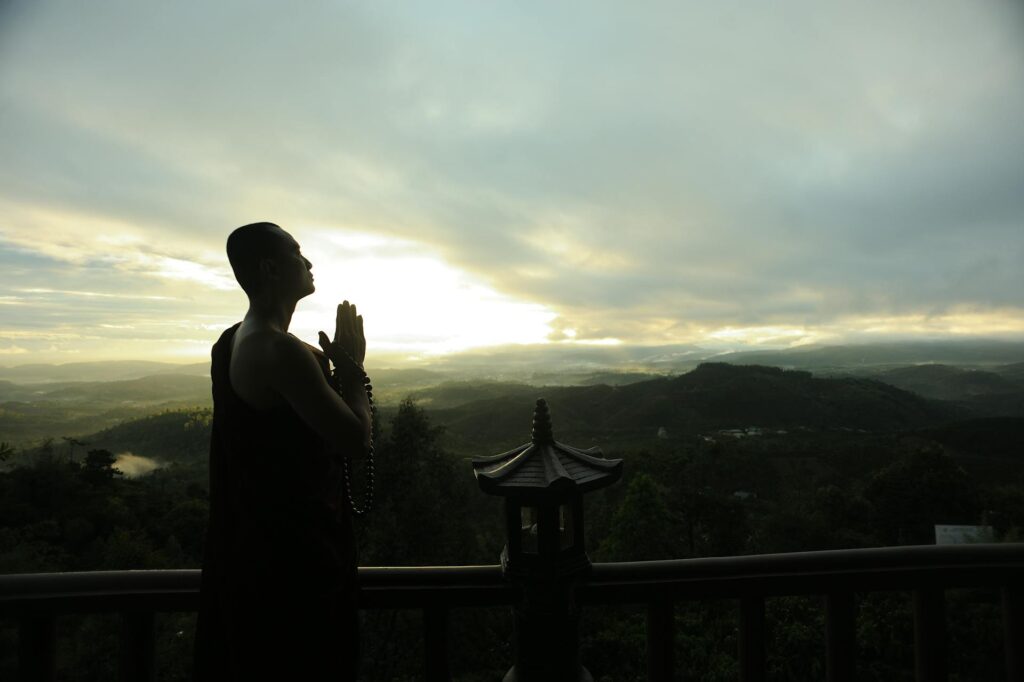
Ladakh, often referred to as the “Land of Lamas,” is renowned for its serene landscapes, rugged mountains, and a profound spiritual ambiance. At the heart of Ladakh’s cultural and spiritual life are its ancient Buddhist monasteries, which stand as testaments to centuries of religious devotion and architectural brilliance. These monasteries, or gompas, are not just places of worship but also centers of learning, culture, and art. Embarking on a journey to explore the Buddhist monasteries of Ladakh offers a deep dive into the region’s rich spiritual heritage and tranquil beauty.
Hemis Monastery
Hemis Monastery, located about 45 kilometers from Leh, is the largest and wealthiest monastery in Ladakh. Founded in 1630 by Stagsang Raspa Nawang Gyatso, Hemis is known for its annual Hemis Festival, which celebrates the birth of Guru Padmasambhava. The monastery is adorned with beautiful thangkas, statues, and murals. The festival’s vibrant masked dances and traditional music attract visitors from around the world, offering a unique glimpse into Ladakhi culture and spirituality.
Thiksey Monastery
Perched atop a hill, Thiksey Monastery is often compared to the Potala Palace in Lhasa, Tibet, due to its architectural resemblance. This twelve-story complex houses numerous stupas, statues, thangkas, and wall paintings. One of its most striking features is the Maitreya (Future Buddha) Temple, which houses a magnificent 15-meter tall statue of Maitreya Buddha. The morning prayers at Thiksey Monastery provide a serene and moving experience, as the monks chant and meditate in the peaceful surroundings.
Diskit Monastery
Located in the Nubra Valley, Diskit Monastery is the oldest and largest monastery in the region. Founded in the 14th century by Changzem Tserab Zangpo, it belongs to the Gelugpa sect of Tibetan Buddhism. The monastery is known for its impressive 32-meter tall statue of Maitreya Buddha, which overlooks the valley and the Shyok River. The stunning views of the surrounding landscape and the tranquility of the monastery make Diskit a must-visit destination for spiritual seekers and travelers alike.
Alchi Monastery
Alchi Monastery, located on the banks of the Indus River, is one of the oldest and most significant monasteries in Ladakh. Unlike other monasteries perched on hills, Alchi is situated at a lower altitude, making it easily accessible. Founded in the 11th century by the Great Translator Rinchen Zangpo, Alchi is renowned for its exquisite murals and wood carvings that reflect the artistic and cultural influences of that era. The intricate frescoes and the serene ambiance of the monastery transport visitors to a bygone era of spiritual and artistic splendor.
Spituk Monastery
Situated on a hilltop near Leh, Spituk Monastery offers panoramic views of the Indus Valley and the surrounding mountains. Founded in the 11th century by Od-de, a translator from Tibet, Spituk is known for its beautiful collection of Buddhist artifacts, thangkas, and statues. The monastery is also home to the annual Spituk Gustor Festival, which features colorful masked dances and rituals. The festival provides a fascinating insight into the religious traditions and cultural heritage of Ladakh.
Phugtal Monastery
Phugtal Monastery, located in the remote Lungnak Valley of Zanskar, is one of the most isolated and unique monasteries in Ladakh. Built into the cliffside of a limestone cave, the monastery resembles a honeycomb structure. Founded in the 12th century by Gangsem Sherap Sampo, Phugtal is accessible only by foot, adding to its mystical allure. The monastery is a serene retreat for meditation and reflection, offering a peaceful sanctuary away from the hustle and bustle of modern life.
Lamayuru Monastery
Lamayuru Monastery, also known as the “Moonland Monastery” due to its unique lunar-like landscape, is one of the oldest and most spectacular monasteries in Ladakh. Founded in the 10th century by Mahasiddha Naropa, Lamayuru is known for its rich history, stunning architecture, and the annual Yuru Kabgyat Festival. The festival, celebrated with masked dances and rituals, attracts devotees and tourists who come to witness the vibrant cultural festivities against the backdrop of the dramatic landscapes.
Conclusion
The Buddhist monasteries of Ladakh offer a spiritual journey that transcends the ordinary, inviting travelers to explore the rich cultural heritage, profound spirituality, and stunning natural beauty of this high-altitude region. Each monastery, with its unique history, architecture, and spiritual significance, provides a glimpse into the timeless traditions and way of life that have flourished in Ladakh for centuries. Whether you seek inner peace, cultural enrichment, or simply the awe-inspiring beauty of the Himalayas, the monasteries of Ladakh promise an unforgettable and transformative experience.
Start sharing, start earning—become our affiliate today! https://shorturl.fm/Dz6dh
Join our affiliate community and maximize your profits—sign up now! https://shorturl.fm/GME2E
Promote our brand and watch your income grow—join today! https://shorturl.fm/zNazf
Boost your income—enroll in our affiliate program today! https://shorturl.fm/NF4UQ
Drive sales, earn big—enroll in our affiliate program! https://shorturl.fm/WxCYu
Turn your network into income—apply to our affiliate program! https://shorturl.fm/njnCg
https://shorturl.fm/2vBBm
https://shorturl.fm/P8nh4
https://shorturl.fm/5clOT
https://shorturl.fm/x6fbL
https://shorturl.fm/7DClY
https://shorturl.fm/872ip
https://shorturl.fm/nwMXs
https://shorturl.fm/YZqzw
https://shorturl.fm/QTuQt
https://shorturl.fm/iNDDe
https://shorturl.fm/Iy40W
https://shorturl.fm/yJtKS
https://shorturl.fm/ezprF
Join our affiliate community and earn more—register now!
Strendus, yeah, it’s a well-known name around here. Seems pretty reliable from what I’ve gathered. Lots of folks seem to enjoy it, so it must be doing something right. Why not give it shot? Visit their website here: strendus
8811betcom, just tried it out yesterday. Had a surprisingly smooth onboarding experience. Interface feels clean and intuitive. Check it out 8811betcom.
Yo, Obabetlogin is the real deal. Easy to use and gets you straight into the action. Definitely worth checking out for a quick login. Hit it up at obabetlogin.
Taib29? Yeah, it’s pretty solid. No messing around, just straight to the point. Good for a quick little game sesh if you ask me. Check it out here: taib29.
Alright, so 365jl is kinda cool. It’s up and running, always ready when I’m bored. Worth a look if you’re looking for something new. Give it a go at 365jl.
Yohoho, me hearties! yohohobetlogin sounds like a pirate’s dream. Let’s plunder some winnings together. Join the fun!: yohohobetlogin
Heads up – checking out 992bet7. Seems legit, good spread of games. Throwing in a few to test the waters. Let’s chase those payouts: 992bet7
Trying out pkvip – heard they have some killer promotions happening right now. Time to see if I can snag some extra bonuses! What’s stopping you?: pkvip
Share your unique link and earn up to 40% commission!
Start profiting from your traffic—sign up today!